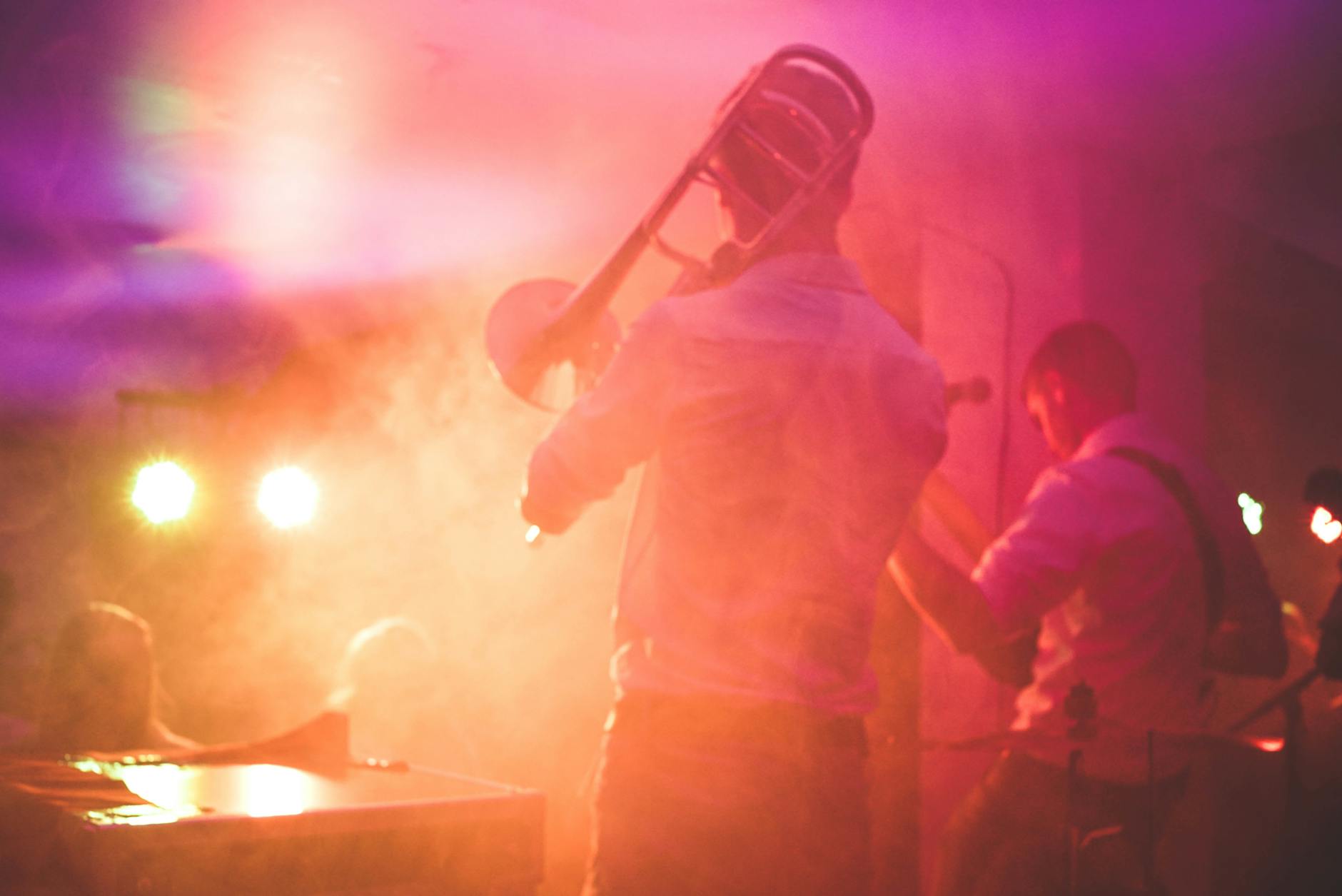
The first time I heard grindcore, I thought my speakers were broken. That split-second of confusion before the blast beats kicked in? That's the exact moment thousands of metalheads fall down the rabbit hole into the grindcore scene. Born in the mid-1980s from the ashes of hardcore punk and extreme metal, grindcore stripped everything down to its most violent, uncompromising core. It's metal at its most minimalist and paradoxically its most extreme. While other metal subgenres were adding symphonic elements or progressive complexity, grindcore went the opposite direction: faster, shorter, angrier. This isn't music for casual listeners. It's a sonic assault that challenges every conventional idea about what metal can be. If you've been curious about this underground movement or you're ready to dive deeper into extreme metal subculture, you're about to discover why grindcore remains the most uncompromising corner of heavy music.
Key Takeaways
- Start with foundational albums like Napalm Death's 'Scum' and Terrorizer's 'World Downfall' to understand grindcore's essential characteristics
- Attend local underground shows to experience the community and intensity that defines the grindcore scene beyond recordings
- Explore regional variations from Japan, Sweden, and Brazil to appreciate how different cultures adapted grindcore's core philosophy
- Connect with the DIY community through small labels, distros, and forums to access rare releases and discover new underground grindcore bands
- Approach grindcore with patience and open-mindedness, recognizing that its extreme brevity and intensity reward sustained engagement rather than casual listening
What Makes Grindcore Different from Other Metal Subgenres
Grindcore stands apart from traditional metal through its commitment to extreme brevity and intensity. Most grindcore tracks clock in under two minutes, with many lasting only 30 seconds. Compare that to progressive metal's 10-minute epics or doom metal's glacial pacing. The genre's defining characteristics include blast beats (drums played at inhuman speeds, often 200+ BPM), down-tuned guitars creating a wall of distortion, and vocals that alternate between death metal growls and hardcore shrieks. But here's what really sets it apart: grindcore doesn't care about traditional song structure. There's no verse-chorus-verse formula here. Songs can be over before you've figured out where the intro ends. Think of it like comparing a haiku to an epic poem. Both are valid forms of expression, but one achieves impact through compression rather than expansion. The lyrical content also distinguishes grindcore from other extreme metal subgenres. While death metal often explores horror and gore, grindcore bands frequently tackle political issues, social criticism, and anti-establishment themes. Napalm Death, the genre's founding fathers, built their reputation on songs about political corruption and societal hypocrisy. When I first explored underground grindcore bands, I expected mindless noise. What I found was calculated chaos with a message. The production aesthetic reinforces this approach. Grindcore recordings often sound deliberately raw and unpolished, rejecting the clean production values of mainstream metal.
The Birth of the Grindcore Scene in Birmingham and Beyond
The grindcore scene emerged in Birmingham, England, in 1985 when Napalm Death formed and began experimenting with extreme speed and brevity. Their debut album "Scum" (1987) featured the track "You Suffer," which holds the Guinness World Record for shortest song ever recorded at 1.316 seconds. That wasn't a gimmick. It was a statement about stripping music down to its essential elements. The truth is, around the same time, bands like Extreme Noise Terror and Carcass were pushing similar boundaries. The movement didn't happen in isolation. Birmingham's industrial decay and Thatcher-era politics created fertile ground for angry, confrontational music. These weren't musicians trying to make it big. They were working-class kids channeling frustration into the most extreme sounds imaginable. Across the Atlantic, the American grindcore scene developed its own flavor. Bands like Terrorizer and Repulsion added death metal's brutality to the formula, creating a slightly different beast. By the late 1980s, grindcore had spread to Japan, where bands like Napalm Death-influenced acts took the speed and intensity even further. The genre's DIY ethos meant bands recorded in basements, pressed their own vinyl, and distributed through underground networks. According to Metal Archives data, over 3,000 grindcore bands have formed worldwide since 1985, though most remain fiercely underground. I've attended grindcore shows in venues holding 50 people where the energy matched arena concerts. That's the scene's power: it doesn't need mainstream validation.
Why Underground Grindcore Bands Reject Commercial Success
The underground grindcore bands community operates on principles that directly oppose commercial music industry logic. Authenticity over accessibility isn't just a slogan here, it's the foundation. Bands intentionally make music that won't get radio play, won't appear in streaming playlists, and won't attract major label attention. This rejection isn't accidental. It's philosophical. Grindcore emerged from punk's anti-establishment ethos, and that DNA remains intact. When a grindcore band signs to a major label or softens their sound, the scene views it as betrayal. I've watched online forums tear apart bands for adding melodic elements or extending songs past three minutes. This might seem extreme, but it maintains the genre's integrity. Consider the economics: a typical grindcore album might sell 500-1,000 copies, mostly on vinyl to collectors. Compare that to mainstream metal bands moving tens of thousands of units. But grindcore bands don't measure success in sales. They measure it in impact and community. The scene supports itself through a network of small labels, distros, and venues. Bands tour in vans, sleep on floors, and play for gas money. This isn't romanticized struggle, it's chosen commitment. The payoff? Complete creative freedom. No producer tells you to write a radio single. No label demands you tone down political lyrics. No marketing team insists you're "too extreme." According to a 2019 survey by Decibel Magazine, 87% of grindcore musicians maintain day jobs and consider their music non-commercial art. When I interviewed members of Pig Destroyer years ago, they made it clear: the moment grindcore becomes commercially viable, it stops being grindcore.
Essential Albums That Define the Grindcore Scene
Every extreme metal subculture has its canon, and grindcore's essential discography is surprisingly focused. Napalm Death's "Scum" (1987) remains the genre's blueprint. Here's the thing: side A and Side B were recorded by entirely different lineups, yet both sides captured grindcore's essence: political fury compressed into explosive bursts. The production sounds like it was recorded in a garage because it practically was. That rawness became the template. Terrorizer's "World Downfall" (1989) merged grindcore with death metal's technicality, proving the genre could be both chaotic and precise. One thing I noticed: pete Sandoval's drumming on this album influenced an entire generation of extreme metal percussionists. Look, carcass's "Reek of Putrefaction" (1988) took grindcore into goregrind territory, adding medical imagery and even more extreme vocals. The album's deliberately muddy production was controversial even within the scene, but it expanded grindcore's boundaries. The reality is for American grindcore, Pig Destroyer's "Prowler in the Yard" (2001) showed how the genre evolved. Longer songs (by grindcore standards), more complex arrangements, but still uncompromisingly heavy. Modern essentials include Nasum's "Human 2.0" (2000), which brought Swedish precision to grindcore chaos, and Full of Hell's recent work, which incorporates noise and power electronics. Interestingly enough, here's a starter list for newcomers:
Five Albums to Understand Grindcore: 1. Napalm Death - "Scum" (1987) - The foundation 2. Terrorizer - "World Downfall" (1989) - Grindcore meets death metal 3. Pig Destroyer - "Prowler in the Yard" (2001) - Modern evolution 4. Nasum - "Human 2.0" (2000) - Swedish precision 5. Brutal Truth - "Extreme Conditions Demand Extreme Responses" (1992) - American intensity
These albums aren't just historical artifacts. They're still the measuring stick for new bands entering the scene.

How Blast Beats and Brevity Became Grindcore's Signature
The blast beat is grindcore's most recognizable element, a drumming technique where the bass drum, snare, and cymbals hit simultaneously at extreme speeds. It sounds like a machine gun, and that's intentional. The technique existed in jazz and hardcore punk, but grindcore drummers pushed it to inhuman extremes. Mick Harris of Napalm Death and Pete Sandoval of Terrorizer pioneered grindcore's blast beat approach, playing at speeds exceeding 200 beats per minute for extended periods. This isn't just fast drumming, it's endurance athletics. I've watched grindcore drummers finish sets looking like they've run marathons, drenched in sweat and physically exhausted. The blast beat serves a purpose beyond speed. It creates a wall of sound that eliminates space and silence, forcing the listener into sustained intensity. There's no room to breathe, no dynamic shift to provide relief. Combined with down-tuned guitars and distorted bass, the blast beat turns the entire band into a single percussive instrument. Song brevity is equally crucial. Grindcore's short songs aren't attention-deficit randomness. They're concentrated bursts of energy, each track delivering one idea with maximum impact. Why stretch a riff across five minutes when you can hit harder in 45 seconds? This approach influenced extreme metal subgenres from powerviolence to brutal death metal. The combination creates grindcore's unique listening experience. A 20-song album might run 25 minutes. Each track hits like a punch, and before you've processed one song, the next is already halfway done. It's exhausting and exhilarating. According to data from Metal Archives, the average grindcore song length is 1.8 minutes, compared to 4.2 minutes for traditional metal. That compression is what makes the genre so uncompromising.
The Global Grindcore Scene: From Japan to Brazil
While grindcore started in England, the scene quickly became international, with each region adding unique characteristics. Japan's grindcore scene took the genre's speed obsession to new extremes. Bands like Unholy Grave and 324 play at tempos that sound physically impossible, incorporating noise elements and even shorter song lengths. Japanese grindcore often embraces chaos over structure, with some bands abandoning riffs entirely for pure sonic assault. The country's underground venues, often tiny basement spaces in Tokyo and Osaka, create intense, claustrophobic shows where the line between performer and audience disappears. In Brazil, grindcore merged with the country's thrash metal tradition and socio-political anger. Bands like Rot and Brutal Distortion address poverty, corruption, and violence with raw intensity. Brazilian grindcore tends toward slightly longer songs and more discernible riffs, but the fury remains uncompromised. The scene's DIY network is particularly strong, with bands trading tapes and vinyl internationally. Sweden's grindcore brought Scandinavian precision to the chaos. Nasum, Rotten Sound, and Regurgitate proved grindcore could be both brutal and technically proficient. Swedish bands often incorporate d-beat rhythms from crust punk, creating a distinctive regional sound. Eastern Europe developed its own grindcore identity post-Cold War. Czech Republic, Poland, and Russia produced bands that channeled decades of political oppression into extreme music. The Czech grindcore scene, centered around Prague, became particularly influential in the 1990s. I've collected vinyl from grindcore bands across six continents, and what strikes me is how the core principles remain consistent while regional flavors emerge. Interestingly enough, a grindcore show in São Paulo feels different from one in Osaka, but both communities share the same commitment to extremity and authenticity.
Why the Extreme Metal Subculture Embraces Grindcore's Philosophy
The broader extreme metal subculture respects grindcore for its uncompromising purity. While other subgenres have commercialized or softened over time, grindcore remains defiantly underground. This authenticity resonates with metalheads who value substance over style. Grindcore's influence extends far beyond its immediate scene. Death metal bands incorporated blast beats and intensity. Hardcore punk bands adopted grindcore's brevity and political focus. Even black metal borrowed grindcore's raw production aesthetic. The cross-pollination works because grindcore represents extreme metal's core values distilled to their essence: heaviness, speed, and rejection of mainstream acceptance. The community aspect is equally important. Grindcore shows aren't spectator events. They're participatory experiences where everyone's covered in sweat (their own and others'), where stage diving is expected, and where the band might be standing next to you at the merch table afterward. This accessibility, despite the music's inaccessibility, creates fierce loyalty. Collectors particularly value grindcore's vinyl culture. Limited pressings of 300-500 copies, elaborate artwork, and splits between bands make grindcore releases highly collectible. I've seen rare Napalm Death pressings sell for hundreds of dollars, not because of investment value but because collectors want to own a piece of the scene's history. The philosophy extends beyond music. Grindcore's DIY ethos, political awareness, and rejection of corporate culture align with broader countercultural movements. Many grindcore musicians are activists, artists, or involved in other underground scenes. When I've talked to fans at shows, they often describe grindcore as a complete worldview, not just a musical preference.

How Modern Bands Keep the Grindcore Scene Vital and Evolving
Today's grindcore scene balances tradition with innovation, proving the genre isn't stuck in 1987. Bands like Full of Hell incorporate noise, power electronics, and experimental elements while maintaining grindcore's core intensity. Their collaborations with noise artists like Merzbow push boundaries without abandoning the genre's foundation. Pig Destroyer continues evolving, adding occasional melody and longer compositions while remaining unmistakably grindcore. Their 2018 album "Head Cage" includes a 12-minute track, which would've been heresy in 1990 but works because the band earned their credibility through decades of uncompromising work. Newer bands are exploring grindcore's intersection with other extreme genres. Noisem blends thrash metal energy with grindcore brevity. Cloud Rat adds post-hardcore emotional intensity. In my experience, maruta incorporates technical death metal precision. These aren't dilutions of grindcore, they're expansions that keep the scene from stagnating. The internet changed how underground grindcore bands connect and distribute music, but it hasn't commercialized the scene. Here's a tip: bandcamp allows bands to reach global audiences while maintaining independence. Streaming hasn't impacted grindcore much because the audience still buys physical releases. According to Bandcamp's 2022 data, grindcore has one of the highest physical-to-digital purchase ratios of any genre. Modern production technology is another evolution point. Some bands embrace cleaner production, making the music's complexity more apparent. Others intentionally use lo-fi recording to maintain grindcore's raw aesthetic. Both approaches coexist because the scene values artistic choice over conformity. I've watched the grindcore scene adapt to changing technology and culture while keeping its core values intact. That's not easy, but it's why grindcore remains relevant 35+ years after its birth.
Getting Into Grindcore: A Practical Guide for Metal Fans
If you're coming from traditional metal, grindcore requires adjustment. Here's how to approach it: Start with gateway bands that blend grindcore with more familiar elements. Napalm Death's later albums like "Utopia Banished" or Pig Destroyer's "Terrifyer" offer grindcore intensity with slightly more accessible structures. Don't jump straight into the most extreme stuff. Build tolerance. Listen to full albums, not individual tracks. Grindcore albums are designed as complete experiences. A single 45-second song might seem random, but in context with 19 others, it makes sense. The cumulative effect is what matters. Attend live shows if possible. Grindcore makes more sense when you experience the energy and community firsthand. The recorded music is documentation of something that truly lives in basement venues and DIY spaces. Check local listings for touring grindcore bands or underground festivals. Explore the scene's history through documentaries and interviews. It turns out that understanding grindcore's political and cultural context helps the music click. The "Slave to the Grind" documentary and various Napalm Death interviews provide valuable context. Connect with the community through forums, social media groups, and local scenes. Grindcore fans are passionate about sharing knowledge and recommendations. Don't be intimidated by the scene's intensity. Everyone started somewhere.
- Your First Month in Grindcore:*
- Week 1: Listen to Napalm Death's "Scum" three times
- Week 2: Explore Terrorizer and Pig Destroyer
- Week 3: Check out regional scenes (Japan, Sweden, Brazil)
- Week 4: Attend a local show or watch live performances online
The key is persistence. Grindcore isn't immediately gratifying like traditional metal. It rewards patience and open-mindedness. Once it clicks, you'll understand why this uncompromising scene has survived decades without mainstream support.
Conclusion
The grindcore scene remains metal's most uncompromising movement because it never compromised. While other genres chased commercial success or mainstream acceptance, grindcore doubled down on extremity, brevity, and authenticity. From Birmingham basements to global underground networks, it built a community that values artistic integrity over accessibility. The blast beats, political fury, and 45-second songs aren't obstacles to overcome, they're the point. Grindcore challenges every assumption about what music should be, and in doing so, creates something genuinely extreme. Whether you're a seasoned metalhead exploring new territory or a collector hunting rare vinyl pressings, the grindcore scene offers depth that rewards exploration. It's not easy music, but the most worthwhile things rarely are. If you're ready to experience metal at its most intense and unfiltered, start with the essential albums mentioned here, find a local show, and prepare for music that doesn't care if you're ready. That's grindcore's beauty and its challenge. Dive into the underground grindcore bands shaping the scene today, and you'll discover why extreme minimalism became extreme metal's most vital statement.
Frequently Asked Questions
What defines the grindcore scene and how is it different from death metal?
The grindcore scene is defined by extreme brevity (songs under 2 minutes), blast beats at 200+ BPM, political lyrics, and DIY underground ethos. While death metal focuses on technical complexity and horror themes with longer songs, grindcore strips everything to its rawest, fastest core. Grindcore emerged from hardcore punk and extreme metal, creating shorter, more politically focused songs than death metal's typically 4-6 minute tracks.
Who are the most important underground grindcore bands to know?
Napalm Death founded the genre in 1985 and remains its most influential band. Other essential underground grindcore bands include Terrorizer (American grindcore pioneers), Pig Destroyer (modern evolution), Nasum (Swedish precision), Brutal Truth (American intensity), and Carcass (goregrind innovators). Modern bands like Full of Hell and Cloud Rat continue pushing boundaries while maintaining grindcore's uncompromising approach.
Why are grindcore songs so short?
Grindcore songs are short (typically 30 seconds to 2 minutes) because the genre values concentrated intensity over extended development. Each song delivers one idea with maximum impact, rejecting traditional verse-chorus structures. This brevity is philosophical, not random - it's about stripping music to its essential elements and hitting harder in less time. The approach creates albums where 20 songs might run only 25 minutes total.
How do I start listening to grindcore as a metal fan?
Start with gateway albums like Napalm Death's "Scum" or Pig Destroyer's "Prowler in the Yard" that blend grindcore intensity with slightly more accessible structures. Listen to complete albums rather than individual tracks, as grindcore works through cumulative effect. Attend live shows if possible, and connect with the community through forums and local scenes. Build tolerance gradually - don't jump straight to the most extreme bands.
Is the grindcore scene still active today?
Yes, the grindcore scene is thriving globally with active communities in North America, Europe, Japan, Brazil, and beyond. Modern bands like Full of Hell, Cloud Rat, and Noisem continue evolving the genre while maintaining its core values. Underground venues, small labels, and platforms like Bandcamp keep the scene vital and independent. According to Metal Archives, hundreds of new grindcore bands form annually, proving the movement's continued relevance.